
Manual Employee Record Tracking: Why It Creates Compliance Risk (and How to Fix It)
Manual HR records often seem harmless—just spreadsheets and paper files. But they quietly stack up compliance risk that can disrupt your entire operation. When tracking employee data this way, missing a critical certification date or training update isn’t a matter of “if” but “when.” This post explains why spreadsheet HR risk is more dangerous than you think and how HRIS centralization can protect your nonprofit, professional firm, or growing business from costly headaches ahead.
Risks of Manual HR Records
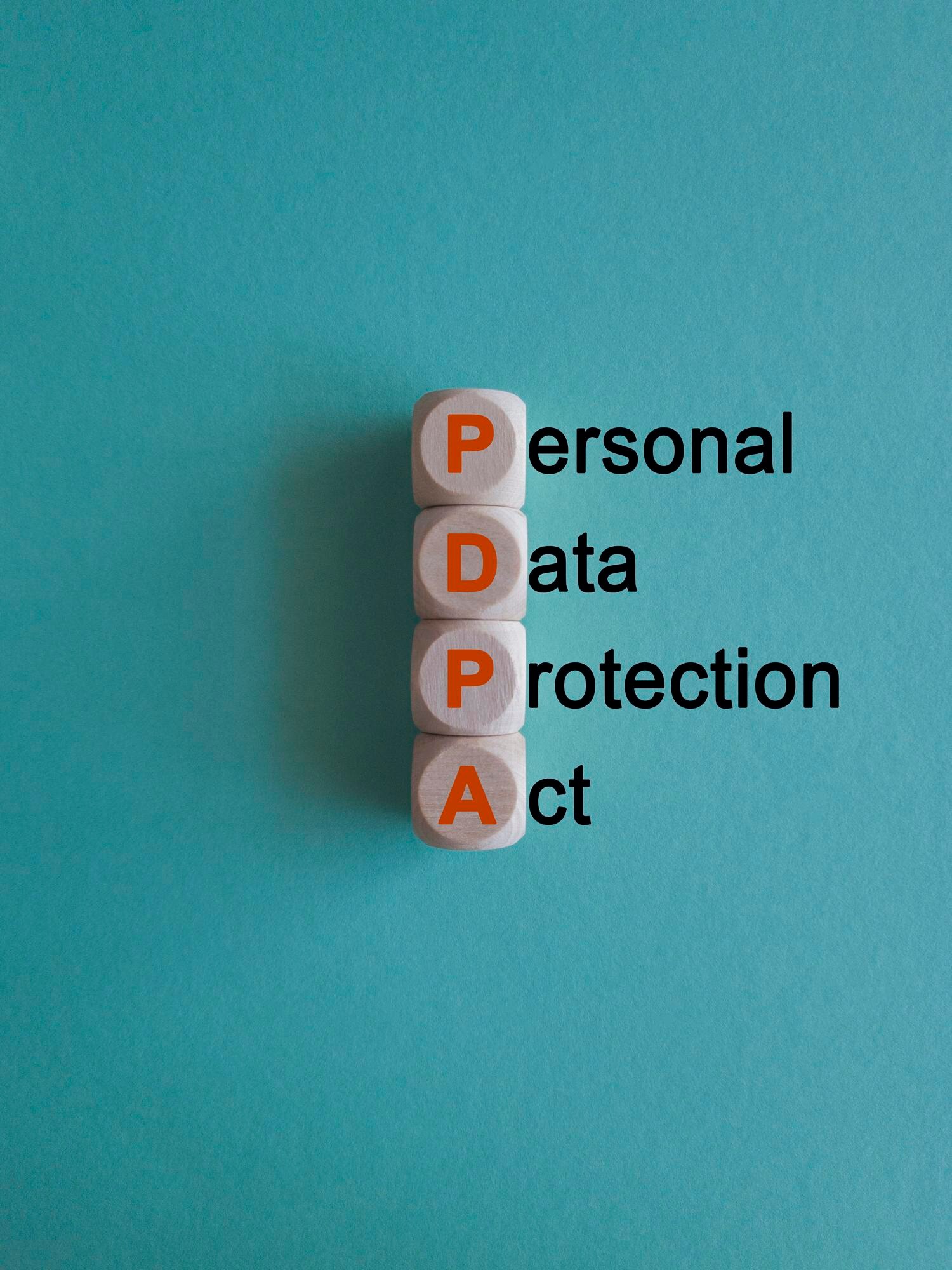
Let’s uncover the hidden threats of managing HR through manual processes. These practices may seem easy, but they can become a ticking time bomb for your organization.
Spreadsheet HR Risk
Relying on spreadsheets for HR tasks seems straightforward, but it’s risky. These tools can lead to errors that cost time and money. Imagine tracking certifications in multiple files. One missed entry could mean a non-compliant employee, putting your organization at risk for fines. It’s easy for data to get lost or mismanaged when dealing with spreadsheets due to human error. The true danger lies in how a simple mistake can evolve into a costly legal issue.
Spreadsheets also limit real-time collaboration. When team members can’t access the same data simultaneously, updates get delayed. This lack of synchronization might not seem critical at first, but it can snowball into a compliance nightmare. Consider an HR team struggling to track vacation requests because data is scattered across several spreadsheets. This isn’t just inefficient—it’s a recipe for legal issues.
HR Compliance Risk Factors
HR compliance is a serious matter. When using paper files, critical details can easily slip through the cracks. Picture maintaining dozens of employee records manually. A small oversight, like missing a training deadline, could mean failing an audit. This oversight isn’t just an inconvenience; it risks your organization’s reputation and financial stability.
Paper records pose a security risk, too. Sensitive information stored in physical files isn’t safe from unauthorized access. The risk of losing or misplacing documents is high, and breaches can lead to hefty penalties. In a world where data breaches are common, relying on paper is a gamble your organization can’t afford to take.
Benefits of HRIS Centralization

Centralizing HR processes through an HRIS can transform your organization’s efficiency and compliance. Here’s how it changes the game.
Audit-Ready Employee Files
With an HRIS, employee files become audit-ready. The system automatically organizes and updates records, ensuring accuracy and compliance. Imagine having all employee information in one secure place, accessible with just a few clicks. This streamlines audits and reduces stress. No more last-minute scrambles to locate documents; everything you need is organized and easily accessible.
A centralized system also ensures data integrity. With automated reminders for certifications and training, missing deadlines becomes a thing of the past. You’ll have peace of mind knowing your records are always up-to-date. This proactive approach not only safeguards your organization but also strengthens your compliance standing.
Policy Acknowledgment Tracking
Tracking policy acknowledgments manually can be a hassle. An HRIS simplifies this by recording employees’ acknowledgment of policies digitally. This feature ensures everyone is informed about the latest company rules, reducing miscommunication. With digital tracking, you can confirm that each employee has reviewed and acknowledged critical policies, minimizing legal risks.
A central system also allows you to update policies quickly. If a policy changes, you can notify your entire team instantly. This keeps everyone on the same page and your organization compliant. The security of knowing your employees are informed and your policies are current is invaluable.
Solutions with Sincron HR Pro

Sincron HR Pro offers solutions that can revolutionize your HR operations, turning potential risks into streamlined processes.
Employee Self-Service HR
One standout feature of Sincron HR Pro is the employee self-service portal. This tool empowers employees to manage their information, reducing the administrative load on HR. Imagine employees updating their own contact information or downloading pay stubs without HR’s involvement. This shift not only saves time but also improves data accuracy.
Empowerment goes beyond data entry. Employees can access their training records, request leave, and manage benefits through the portal. This autonomy enhances engagement and reduces HR’s workload, allowing your team to focus on strategic initiatives rather than routine tasks.
Onboarding Automation Features
Onboarding can be overwhelming, but automation simplifies it. Sincron HR Pro automates onboarding tasks, ensuring new hires have a smooth start. Picture a new employee completing all required paperwork digitally before their first day. This streamlined process makes them feel welcomed and prepared, reducing turnover.
Automation also ensures consistent training. New employees receive the same materials and follow the same steps, ensuring compliance. This consistency not only helps you avoid mistakes but also enhances the employee experience. A smooth onboarding process sets the tone for a positive work environment.
🌟
In conclusion, the journey from manual to automated HR processes is not just about efficiency—it’s about securing your organization’s future. With an HRIS, you can transform your operations, protect against compliance risks, and improve employee engagement. It’s time to evolve and embrace a smarter way to manage your most valuable asset: your people.