


Many organizations start with SuiteDash for client communication and document sharing, then try to stretch it into a full HR system. This approach often hides rising administrative headaches and compliance blind spots until they become urgent problems. If you’re managing onboarding and workforce processes with SuiteDash, understanding these hidden costs is critical before scaling. Let’s explore what it takes to move from client portal basics to structured HR workflows that reduce chaos and improve consistency.
To avoid common pitfalls when expanding SuiteDash for HR, consider reviewing the best onboarding tools for HR that can complement your current processes. Additionally, discover if your team is spending too much time solving ‘DocuSign Login’ issues instead of focusing on fixing onboarding. Lastly, be aware of the hidden implementation costs that many teams underestimate when shopping for HR software.
Hidden Costs of Client Portals for HR
Using a client portal like SuiteDash to manage HR processes might seem cost-effective, but it’s vital to assess the hidden costs involved. These costs often surface in two critical areas: compliance risks and the challenges of visibility.
Compliance Risks and Visibility Challenges
When you rely on a client portal for HR, maintaining compliance becomes a complex task. Regulations require meticulous record-keeping, and a portal not designed for HR might leave gaps. Missing documentation or unnoticed data breaches can result in hefty fines and reputational damage. Without proper visibility, it’s difficult to know if your processes meet legal standards. You may find yourself scrambling to gather information during audits. Ensuring that your data is complete and accessible is essential to maintaining compliance.
Stretching Client Portals Beyond Intended Use
Trying to stretch the functionality of a client portal can lead to inefficiencies. While SuiteDash can handle basic tasks, it’s not specifically designed for comprehensive HR needs. This often results in a mismatched system that lacks the depth required for intricate HR operations. As you expand its use, you may notice processes becoming fragmented. This fragmentation can lead to errors and inconsistencies, which ultimately impact the overall workflow and employee satisfaction. It’s crucial to recognize the limitations before they become costly issues.
Structured Onboarding with SuiteDash

Recognizing the limitations of a client portal is the first step. Next, focus on creating a structured onboarding process that improves consistency and clarity in your HR operations.
Improving Onboarding Consistency and Efficiency
Transitioning to a structured onboarding approach can transform how new employees experience your organization. Consistent onboarding ensures that every team member receives the same information and support. This consistency reduces confusion and helps new hires integrate more smoothly. By establishing clear guidelines and procedures, you prevent repetitive mistakes that often occur due to miscommunication. Investing time in designing a structured onboarding process not only streamlines operations but also enhances the overall employee experience.
Steps to Create Scalable Workforce Processes
Creating scalable workforce processes is crucial for sustainable growth. Start by identifying key areas that require standardization. Develop step-by-step procedures for each process, ensuring they are easy to follow. Utilize technology where it makes sense, but always tailor it to fit your specific needs. Consistent training and feedback loops are vital to refine and improve these processes over time. A scalable system will allow your organization to grow without stretching resources too thin or sacrificing efficiency.
Guided HR Modernization Plans
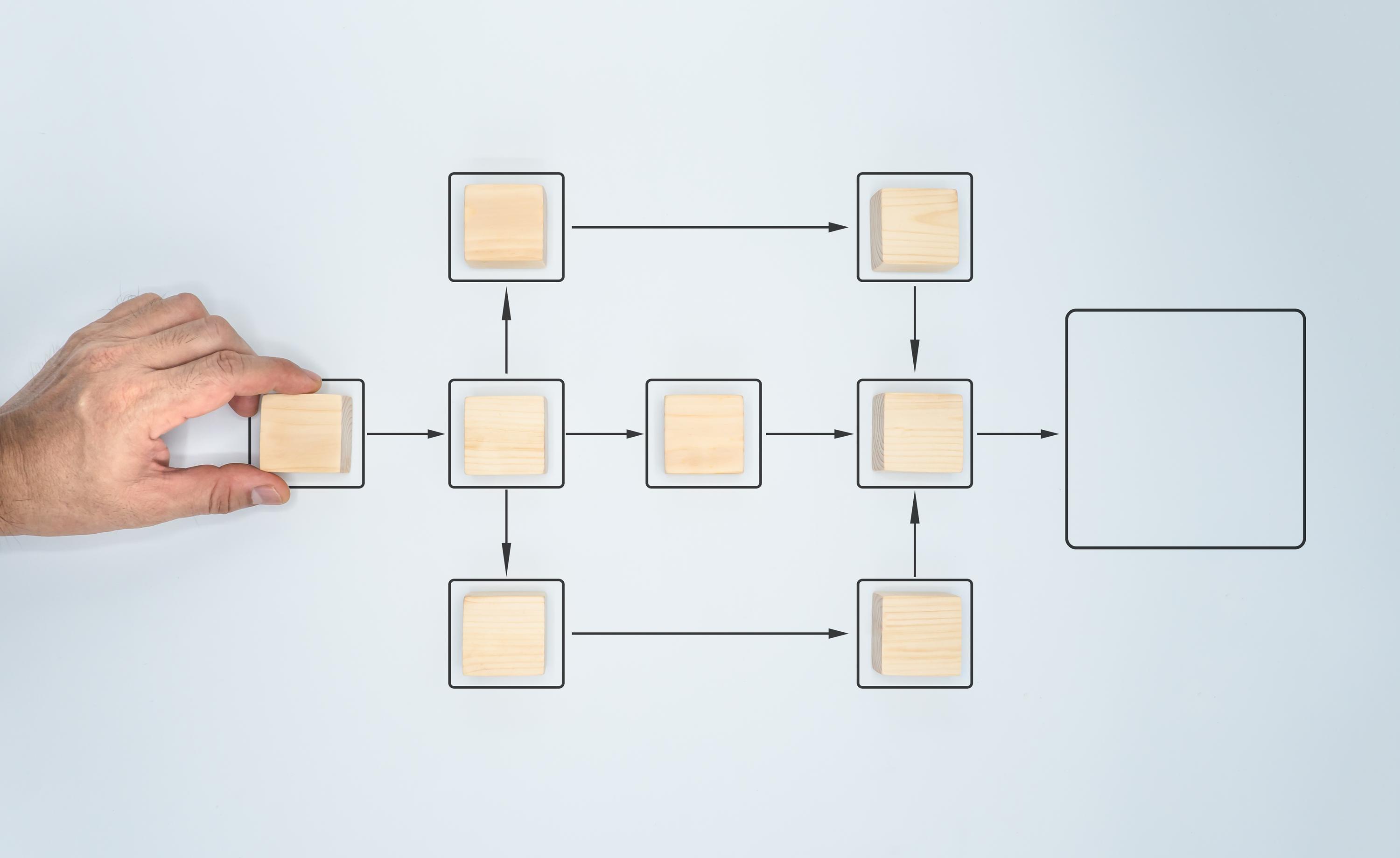
To truly modernize HR, organizations need a practical path that reduces administrative chaos and aligns with their operational goals.
Practical Path to Reduce Administrative Chaos
Reducing administrative chaos begins with a clear plan. Evaluate your current processes to identify bottlenecks and redundancies. Streamline tasks by automating where possible and eliminating unnecessary steps. Implementing a centralized system for managing employee records can significantly reduce time spent on administrative tasks. Regular reviews and adjustments help maintain an efficient workflow. This approach not only saves time but also empowers your team to focus on more strategic initiatives.
Mapping Your SuiteDash to HR Workflows
Mapping SuiteDash to your HR workflows involves aligning its capabilities with your specific needs. Start by categorizing tasks into those that SuiteDash can handle and those requiring specialized tools. Use SuiteDash for communication and document sharing, but consider integrating other software for advanced HR functions. This integration ensures that each process is managed efficiently, with SuiteDash playing a supportive role. By doing so, you create a cohesive system that leverages the strengths of each tool, reducing operational friction and improving overall HR effectiveness.
Frequently Asked Questions
How can SuiteDash be used effectively for HR?
SuiteDash can manage client communications and document sharing. For HR, it’s best used as a supporting tool rather than a comprehensive solution. It works well for basic tasks but should be integrated with other systems for advanced HR needs.
What are the risks of using a client portal for HR?
The main risks include compliance issues, data visibility challenges, and inefficiencies. A client portal may not provide the depth needed for HR operations, leading to fragmented processes and potential legal complications.
How do I improve onboarding processes with SuiteDash?
To improve onboarding, establish clear, consistent procedures and utilize SuiteDash for communication and support tasks. Prioritize comprehensive training and regular feedback to continuously refine your onboarding approach.
What steps are involved in creating scalable HR processes?
Start by identifying key areas needing standardization. Develop clear procedures, automate where possible, and use feedback to refine processes. Consistent training ensures scalability as your organization grows.
How can I reduce administrative chaos in HR?
Evaluate current processes to identify inefficiencies. Streamline tasks by automating repetitive ones and centralizing data management. Regular reviews help maintain an efficient workflow, reducing administrative burden.
Follow for workforce management insights