
Scattered employee records create confusion that slows your nonprofit or SMB. When onboarding varies and documents hide in multiple places, compliance risks rise without clear warning. Centralized employee records bring order, improving consistency and giving you the workforce visibility needed to grow without adding overhead. This post explains why building that structure matters and how you can start making it happen.
Centralizing Employee Records for Growth
Centralizing employee records can set your organization up for success. Without a structured system, you risk losing valuable time and resources, which could be better spent on growth initiatives.
Hidden Costs of Disorganized Records
Disorganization in HR records can quietly drain resources. When documents are scattered, finding what you need becomes a labor-intensive task. Each minute spent hunting for records adds up, pulling you away from strategic tasks that drive growth. Imagine the productivity boost if employees had easy access to everything they need. It’s not just about saving time; it’s about freeing your mind to focus on what truly matters.
Building a Scalable HR Framework
A scalable HR framework is essential as your organization grows. Without it, each new hire adds a layer of complexity. A system that scales helps you avoid this trap. Instead of reinventing the wheel with each new employee, you create a repeatable process. This foundation supports growth, ensuring HR remains a facilitator rather than a bottleneck.
Strengthening Compliance and Audit Readiness
A centralized system strengthens your organization’s compliance. Keeping up with regulations becomes simpler when documents are organized. You reduce the risk of fines and penalties due to overlooked compliance issues. By having everything in one place, audits become less daunting. You’re not scrambling to pull together reports; you’re ready from the start.
Enhancing Onboarding and Workforce Structure

A streamlined onboarding process can transform your workforce dynamics. When onboarding is consistent, it sets the tone for new hires, offering a clear understanding of their role and the company culture.
Achieving Onboarding Consistency
Consistency in onboarding establishes a reliable framework for new employees. With a clear process, you ensure every hire receives the same quality of training and information. This consistency reduces the learning curve and helps new team members integrate more quickly. When everyone is on the same page, productivity improves.
Creating Operational Structure
Operational structure is the backbone of effective workforce management. It helps reduce chaos and provides clear guidelines for employees to follow. This structure supports accountability and ensures that tasks are completed efficiently. A well-organized operation allows you to focus on strategic growth instead of daily firefighting.
Strengthening Workforce Visibility
Visibility into your workforce is crucial for strategic decision-making. When you have clear insight into your team’s capabilities and workload, you can allocate resources more effectively. Centralized records provide a transparent view, enabling you to identify strengths and address gaps. This visibility empowers you to lead with confidence.
Practical Steps to Centralization
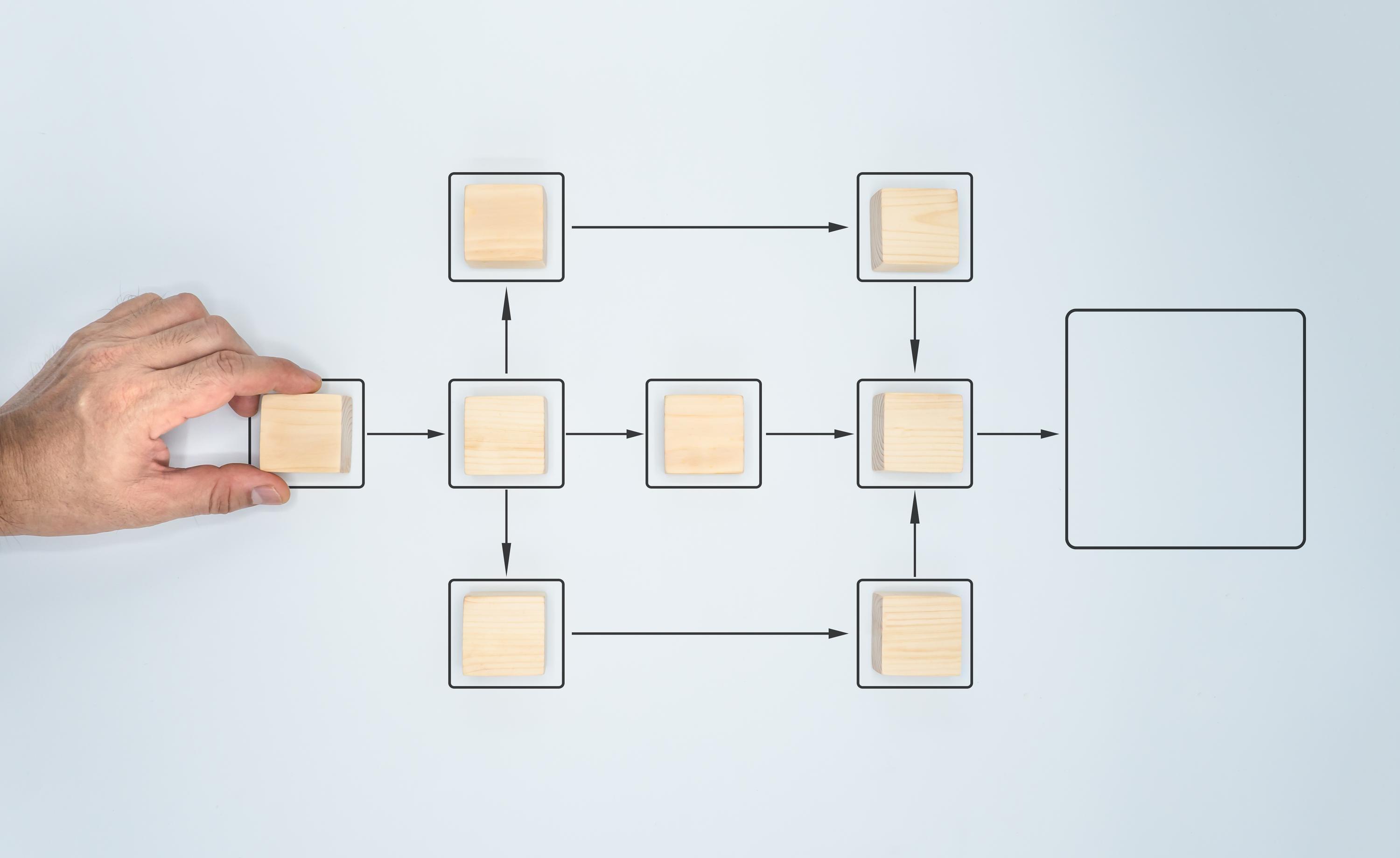
Taking practical steps toward centralization can simplify your HR processes. A clear plan helps you transition smoothly without overwhelming your team.
Mapping Your Current Workflows
Mapping your current workflows is the first step in centralizing your HR efforts. Understand where inefficiencies lie and identify areas for improvement. This map acts as a baseline, guiding your transition to a centralized system. By knowing where you stand, you can plan the path forward with precision.
Guided Business Analysis Benefits
A guided business analysis offers insights into optimizing your HR processes. Partnering with experts can uncover hidden inefficiencies and provide tailored solutions. This analysis ensures that your system aligns with your unique operational needs, paving the way for smoother implementation and adoption.
Starting with a Focused Demo
Starting with a focused demo gives you a firsthand look at how centralization works in practice. It allows you to see the benefits and understand how the system fits into your daily operations. A demo provides a clear picture, helping you make informed decisions about your HR strategy.
Frequently Asked Questions
Why is centralizing employee records important?
Centralizing employee records improves access, efficiency, and compliance. It reduces time spent searching for information and ensures that all necessary documents are readily available. This organization supports better decision-making and smoother audits.
How can centralized records improve compliance?
Centralized records ensure that all compliance documents are up to date and accessible. This organization reduces the risk of missing critical deadlines or information, thus minimizing potential fines or penalties during audits.
What steps should I take to start centralizing my HR processes?
Begin by mapping your current workflows to identify inefficiencies. Follow this with a guided business analysis to tailor solutions to your needs. Finally, engage in a focused demo to see how a centralized system can integrate with your existing processes.