
Most grant time records fall short well before audit day. You may think your nonprofit timesheets are ready, but funders look for specific details that often get missed. Missing approvals, vague documentation, or inconsistent reporting can lead to costly findings. This post breaks down what funders expect in grant time records and offers a clear path to build audit-ready HR records before the review begins. See how your team can pilot structured time records before you pay. Learn more about being prepared for your federal grant audit here.
What Funders Expect in Grant Time Records
Funders scrutinize grant time records to ensure your organization meets compliance standards. You need to know exactly what they expect to avoid penalties.
Essential Elements of Compliance
Compliance is key. Funders want precise records. Your timesheets should include exact hours worked, tasks completed, and approvals from supervisors. This clarity helps satisfy funders. Make sure employees understand the importance of accurate entries. This can prevent costly errors later. Funders expect you to follow guidelines such as those in the Uniform Guidance 2 CFR 200, which outlines federal requirements for time and effort reporting.
Common Gaps in Time and Effort Reporting
Many nonprofits fall short in time reporting. Missing approvals and lack of task details are common issues. These gaps can lead to audits and loss of funding. To avoid this, implement a routine check of timesheets. Consistency is crucial. Train your staff regularly to ensure they understand compliance requirements. Nonprofits often miss key steps like obtaining timely approvals, which can be easily managed with set procedures.
Preparing for Funder Audit Assessments
Start audit preparation early. This means organizing records, ensuring all documentation is complete, and performing internal checks. Create a checklist to review time records regularly. Preparing ahead of time reduces stress and ensures readiness when audit day arrives. Audit readiness involves ongoing monitoring and adjustment. It’s about creating a culture of compliance within your organization.
Standardizing Nonprofit Timesheets
Creating a uniform system for timesheets aids in compliance and efficiency. This section guides you through the process of standardizing your nonprofit’s timesheets.
Timesheet Approvals Workflow
Implement a clear workflow for timesheet approvals. Ensure supervisors review and sign off on employee hours promptly. A structured approval process prevents discrepancies. Use digital tools to streamline this process. Automation can help manage approvals efficiently and reduce delays. By maintaining a consistent workflow, you ensure accountability and accuracy.
Documenting Grant-Funded Payroll Allocation
Accurately documenting payroll allocation is vital. This involves detailing how staff time is funded by grants. Keep records precise and up-to-date. This documentation is essential during audits, as it shows funders exactly how their money is being used. Consider using software that tracks payroll allocations in real-time. This can simplify the process and ensure you meet compliance requirements.
Building Audit-Ready HR Records
Audit-ready records require thorough documentation and organization. Ensure all records are complete and easily accessible. Regularly update your records to reflect any changes in funding or staff assignments. This preparation can help avoid last-minute scrambling before an audit. By having a system in place, you ensure your organization is always ready for an audit.
Practical Steps Before an Audit
Taking practical steps before an audit can save your organization from potential setbacks. Here’s how to get started.
Structuring Employee Time Tracking for Grants
Set up a clear system for tracking employee time on grants. This should include detailed records of hours worked and tasks completed. Ensure your team follows established guidelines to maintain consistency. Digital time tracking tools can streamline this process, making it easier to manage and review records. This structure ensures both accuracy and compliance.
Ensuring Accurate Program Time Tracking
Accurate program time tracking is essential. This means monitoring how staff time is allocated across different programs. Regular reviews help maintain precision. Use a standardized format for time entries to avoid confusion. Accurate tracking helps document program achievements and justifies funder investments.
HR Modernization for Nonprofits with Sincron HR Pro
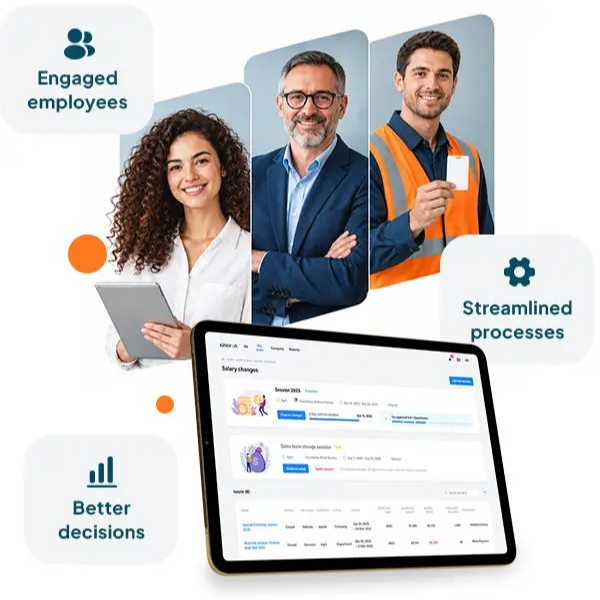
Modernizing HR processes can greatly benefit your nonprofit. Sincron HR Pro offers an all-in-one solution for tracking time, managing records, and ensuring compliance. This platform provides tools for efficient time tracking and payroll management, tailored for nonprofits. It supports HR modernization without the overwhelm. By implementing a comprehensive solution, your organization can improve efficiency and compliance, ensuring readiness for any audit.
Frequently Asked Questions
What are the key elements funders look for in grant time records?
Funders seek precise records detailing hours worked, tasks completed, and supervisor approvals. Compliance with guidelines like those in the Uniform Guidance 2 CFR 200 is crucial.
How can nonprofits avoid common gaps in time and effort reporting?
To avoid gaps, implement routine checks, ensure timely approvals, and train staff regularly on compliance requirements. Consistency in processes helps prevent errors.
What are the best practices for preparing for a funder audit?
Start preparation early by organizing records, ensuring documentation is complete, and performing internal checks. This ongoing preparation reduces stress and ensures readiness for audits.
How do you ensure accurate program time tracking?
Maintain precise records of how staff time is allocated across programs. Regular reviews and using a standardized format for time entries help maintain accuracy.
What benefits does Sincron HR Pro offer for nonprofit HR modernization?
Sincron HR Pro provides comprehensive tools for time tracking, record management, and compliance. It supports efficient HR processes tailored to nonprofits, ensuring compliance and readiness for audits.