
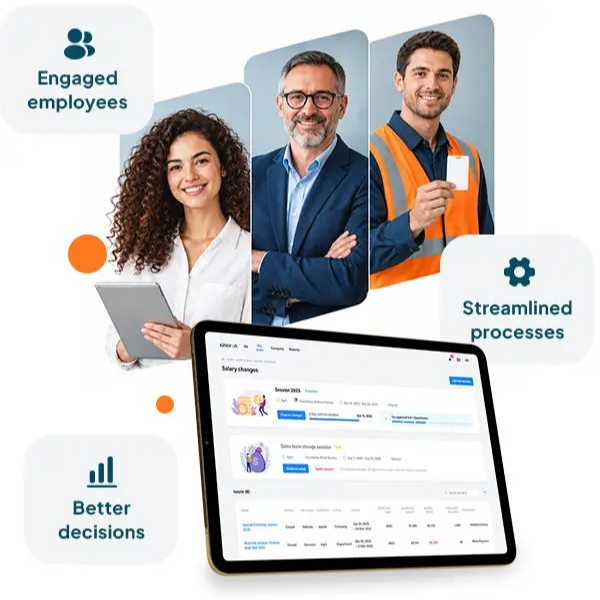
Too many organizations still treat compliance tracking as a once-a-cycle task. This approach leaves teams scrambling every few months, creating unnecessary stress and administrative chaos. Shifting to continuous compliance tracking changes everything: it shortens accreditation readiness, boosts audit confidence, and strengthens workforce accountability. In this post, you’ll see practical steps to keep compliance visible and manageable between CARF accreditation reviews and beyond. For more detailed insights, check out this resource on continuous compliance.
Continuous Compliance Tracking Benefits
Switching to continuous compliance tracking offers numerous advantages for your organization. It significantly reduces administrative chaos, enhances audit confidence, and strengthens workforce accountability, making everyday operations smoother and more efficient.
Reducing Administrative Chaos
When compliance tracking happens only occasionally, it often leads to a last-minute scramble to gather documents and ensure everything is in order. This can create chaos and stress for your team. Continuous tracking helps by keeping records updated at all times. Imagine not having to dig through piles of paperwork right before an audit. Instead, everything you need is already organized and ready to go. This approach saves time and reduces the burden on your staff, allowing them to focus on more strategic tasks.
Continuous tracking also minimizes errors. When tracking is part of your regular routine, mistakes are caught early, preventing them from becoming larger issues later. Documentation becomes a seamless part of day-to-day work, rather than a separate, daunting task.
Improving Audit Confidence
Audits can be nerve-wracking, but with continuous compliance tracking, you’ll face them with more confidence. This method ensures that your organization’s documentation is always up to date. No more scrambling to gather necessary materials as the audit date approaches. Instead, everything is already in place, making the audit process smoother and less stressful.
With continuous tracking, you can easily demonstrate compliance with regulations at any time. This proactive approach not only impresses auditors but also gives your organization a reputation for reliability and thoroughness. It builds trust with stakeholders and boosts your organization’s credibility.
Strengthening Workforce Accountability
Accountability is crucial in any organization. Continuous compliance tracking fosters a culture of accountability by ensuring that everyone understands their role in maintaining compliance. When compliance is a part of daily operations, employees become more aware of their responsibilities and the importance of adhering to standards.
This approach also encourages proactive problem-solving. Employees are more likely to address issues as they arise, rather than waiting until they become significant problems. This fosters a sense of ownership and empowerment among your workforce, contributing to a more engaged and committed team.
Operationalizing Always-On Tracking

Transitioning to continuous compliance tracking requires some operational changes, but the benefits are well worth the effort. Here are practical steps to implement always-on tracking effectively.
Streamlining Documentation and Training
Centralizing and streamlining documentation is the first step to a successful compliance strategy. By keeping all records in a single, easily accessible location, you reduce the chance of misplacing important documents. This not only simplifies access but also ensures that everyone is working with the most up-to-date information.
Training is another essential component. Employees need to be aware of compliance requirements and how to meet them. Regular training sessions can help reinforce this knowledge and keep your team informed about any changes in regulations or internal policies. Providing resources and support for training can improve compliance and reduce errors.
Ensuring Certifications and Policy Acknowledgments
Certifications and policy acknowledgments are critical components of compliance. With continuous tracking, you can easily monitor the status of certifications and ensure that all employees have acknowledged important policies. This proactive approach prevents lapses that could lead to non-compliance.
Automated reminders are a helpful tool in this process. They ensure that certifications are renewed on time and that employees are reminded of policy changes as they occur. This keeps everyone on the same page and helps maintain compliance with minimal effort.
Managing Incident Logs Effectively
Incident logs are an integral part of compliance tracking. By maintaining accurate and up-to-date logs, you can quickly identify patterns and address issues before they escalate. Continuous tracking makes it easier to manage these logs and ensure that they are complete and accurate.
Regularly reviewing incident logs can also provide valuable insights into areas where your organization can improve. By identifying trends and common issues, you can take proactive steps to prevent future incidents, enhancing overall compliance and organizational efficiency.
Your Path to Accreditation Readiness

Once you have operationalized continuous tracking, the path to accreditation readiness becomes clearer. A guided pilot with a 60-day Implementation Trial offers a structured way to test and refine your processes.
Guided Pilot with 60-Day Implementation Trial
Participating in a guided pilot program allows you to experience the benefits of continuous compliance tracking firsthand. During this 60-day trial, you’ll work with a dedicated consultant who will help tailor the system to your organization’s unique needs. This hands-on approach ensures that your team is comfortable with the new processes and that any potential issues are addressed before going live.
A pilot program also provides an opportunity to gather feedback from your team and make necessary adjustments. This collaborative approach fosters buy-in from all stakeholders and increases the likelihood of successful implementation.
Configuring Compliance Workflows
Configuring your compliance workflows is a key step in the transition to continuous tracking. This involves setting up processes and systems to ensure that compliance tasks are integrated into daily operations. By standardizing workflows, you create consistency and reduce the chances of errors.
Tailoring workflows to your organization’s specific needs is crucial. This customization ensures that the system supports your existing processes and enhances them, rather than creating additional complexity. A consultant can assist in this process, providing expert guidance and support.
Real-World Results with Sincron HR Pro
Many organizations have successfully implemented continuous compliance tracking with Sincron HR Pro. These real-world results demonstrate the effectiveness of this approach in reducing administrative chaos, improving audit confidence, and strengthening workforce accountability. By partnering with Sincron HR, you gain access to a comprehensive solution that supports your compliance efforts and helps your organization thrive.
Frequently Asked Questions
What is continuous compliance tracking?
Continuous compliance tracking involves regularly monitoring and updating compliance records, rather than doing it periodically. This approach ensures that your organization is always prepared for audits and can demonstrate compliance at any time.
How does continuous compliance tracking improve audit confidence?
By keeping records up to date, continuous tracking reduces the stress and chaos associated with audit preparation. It ensures that all necessary documentation is readily available, making the audit process smoother and more efficient.
Why is workforce accountability important in compliance tracking?
Workforce accountability ensures that everyone understands their role in maintaining compliance. When compliance is part of daily operations, employees are more likely to adhere to standards and address issues proactively, fostering a culture of responsibility and engagement.
For more insights, visit IBM’s continuous compliance guide.